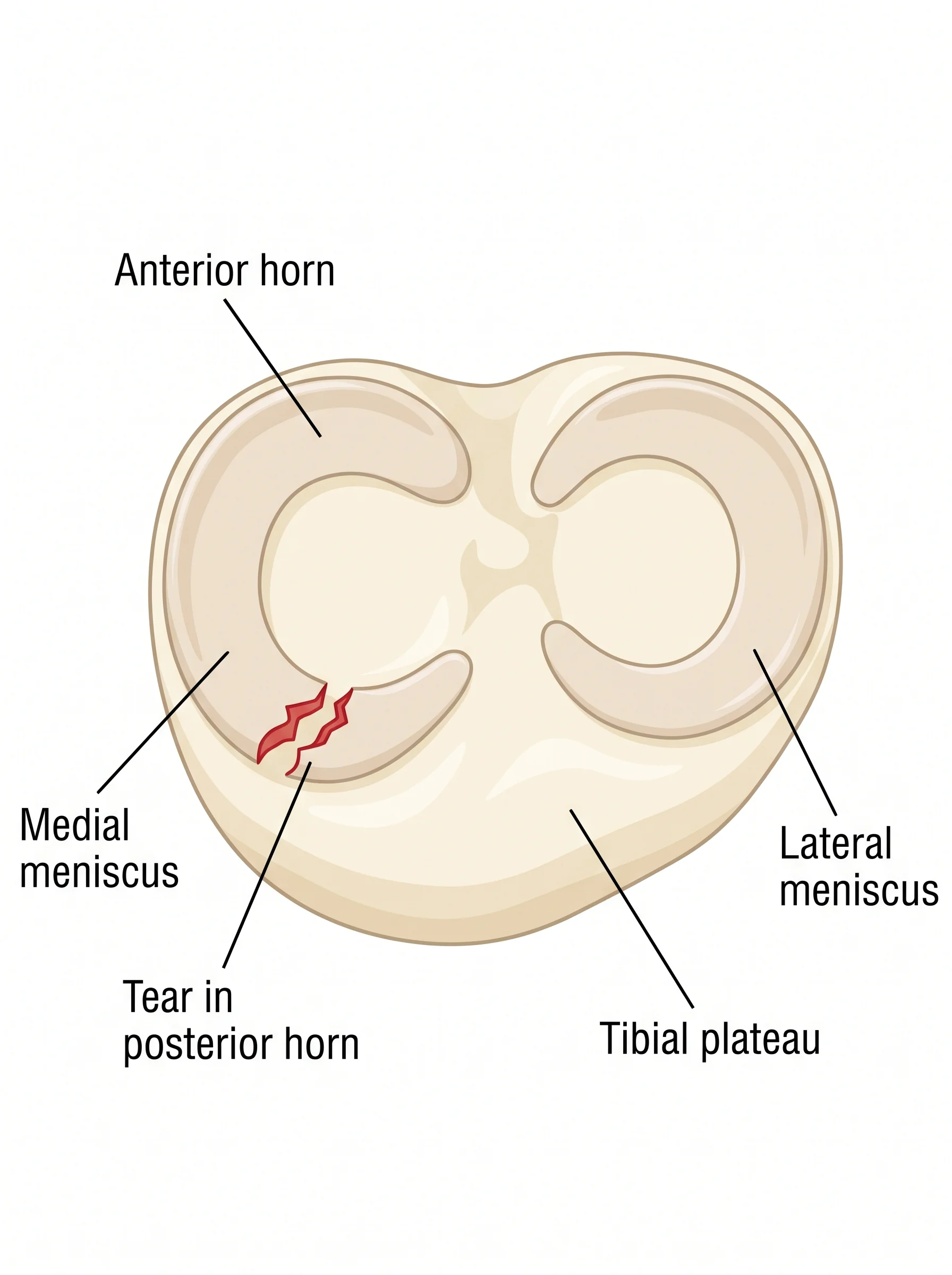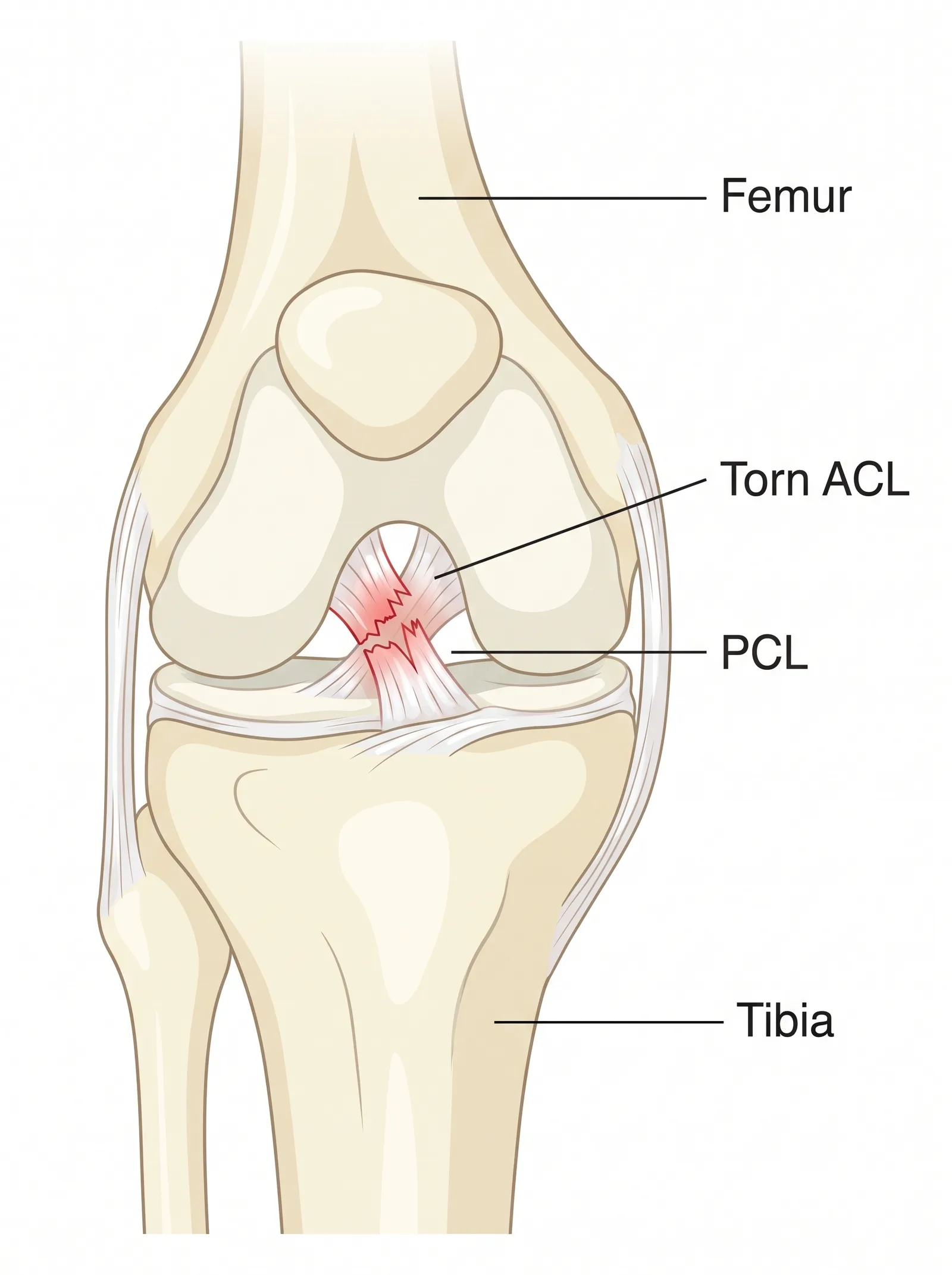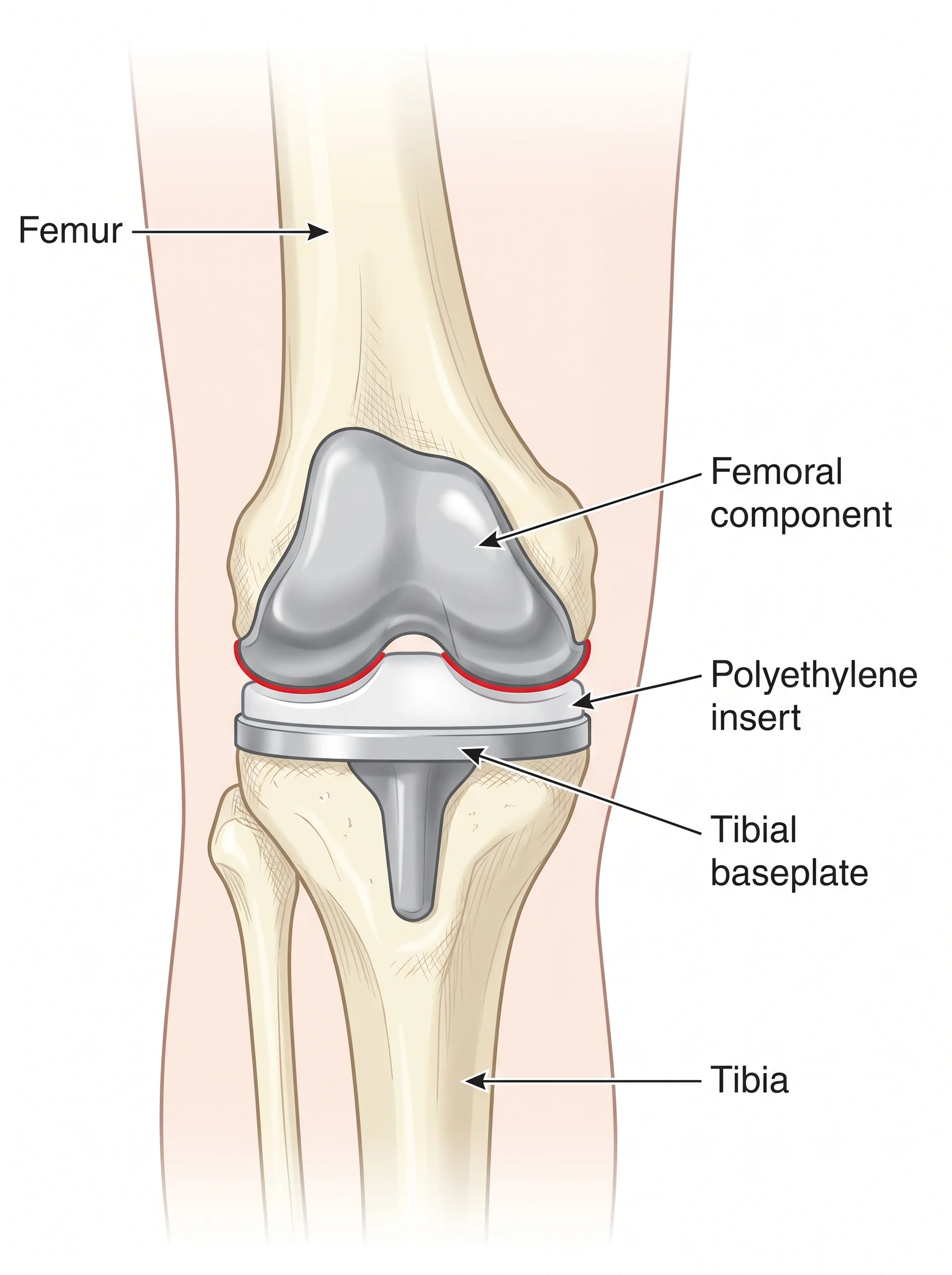
Dr. Robinson performs total knee replacement in New York, resurfacing a worn knee with metal and plastic implant components. It is considered after non-surgical care no longer controls arthritis pain. Dr. Robinson reviews whether replacement, or a less extensive option, fits each patient's goals.
Jonathan Robinson performs total knee replacement in New York when it is the right step, and reviews every alternative with you first.
What is Total Knee Replacement?
Total knee replacement resurfaces the worn parts of the knee.
The surgeon removes damaged cartilage and a thin layer of bone and replaces them with metal and plastic components that recreate a smooth joint surface.
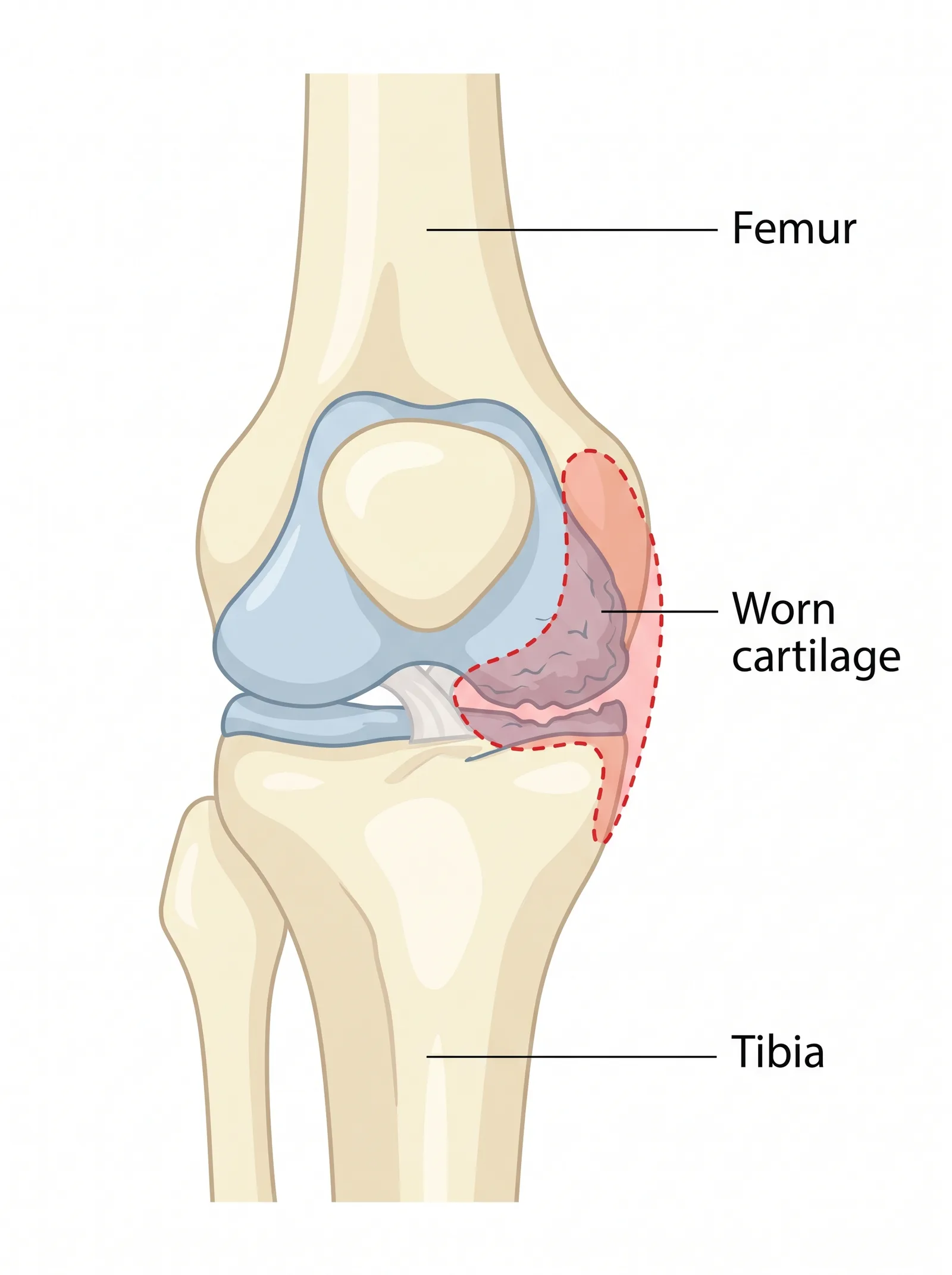
It is an option for advanced arthritis when pain limits walking, sleep, and daily life despite full non-surgical care. It is a well-studied joint procedure in orthopedics.
Replacement is a choice, not an obligation. The goal is to reduce pain and restore function, and the decision is made together after non-surgical options have been tried.
What happens during Total Knee Replacement, step by step?
The procedure is done under anesthesia.
The surgeon removes the damaged surfaces from the end of the thigh bone, the top of the shin bone, and often the back of the kneecap, then fits the implant components. Some surgeons use robotic assistance or patient-specific planning to guide the bone preparation. Dr. Robinson will explain the approach used in your case.
What is recovery like after Total Knee Replacement?
Recovery happens in stages.
Most people stand and take steps with support the day of surgery. Walking without an aid commonly takes about 2 to 6 weeks, and returning to low-impact activities such as cycling or golf commonly takes about 6 to 12 weeks, according to general guidance from the American Academy of Orthopaedic Surgeons. These are ranges, not promises. Your timeline depends on your health before surgery, your rehabilitation, and the demands of your daily life.
Read the full guide to preparing for surgery →
Your own recovery instructions come from the office and are specific to you. This page describes the general course, not a plan to follow.
What are the treatment options?
- 01Activity changes and weight management to lower joint loadActivity changes and weight management to lower joint load.
- 02Physical therapy to strengthen the muscles around the kneePhysical therapy to strengthen the muscles around the knee.
- 03Anti-inflammatory medicine when appropriateAnti-inflammatory medicine when appropriate.
- 04Injections such as corticosteroid or hyaluronic acidInjections such as corticosteroid or hyaluronic acid.
- 05Partial knee replacement, when arthritis is limited to one part of the kneePartial knee replacement, when arthritis is limited to one part of the knee.
- 06Total knee replacement, when arthritis is widespread and non-surgical care no longer worksTotal knee replacement, when arthritis is widespread and non-surgical care no longer works.
What do patients ask most?
How long does a knee replacement last?+
Is total knee replacement painful?+
When can I drive again after knee replacement?+
What is the difference between partial and total knee replacement?+
Fellowship trained at Lenox Hill Hospital. Sees patients in New York.
About Dr. Robinson →